

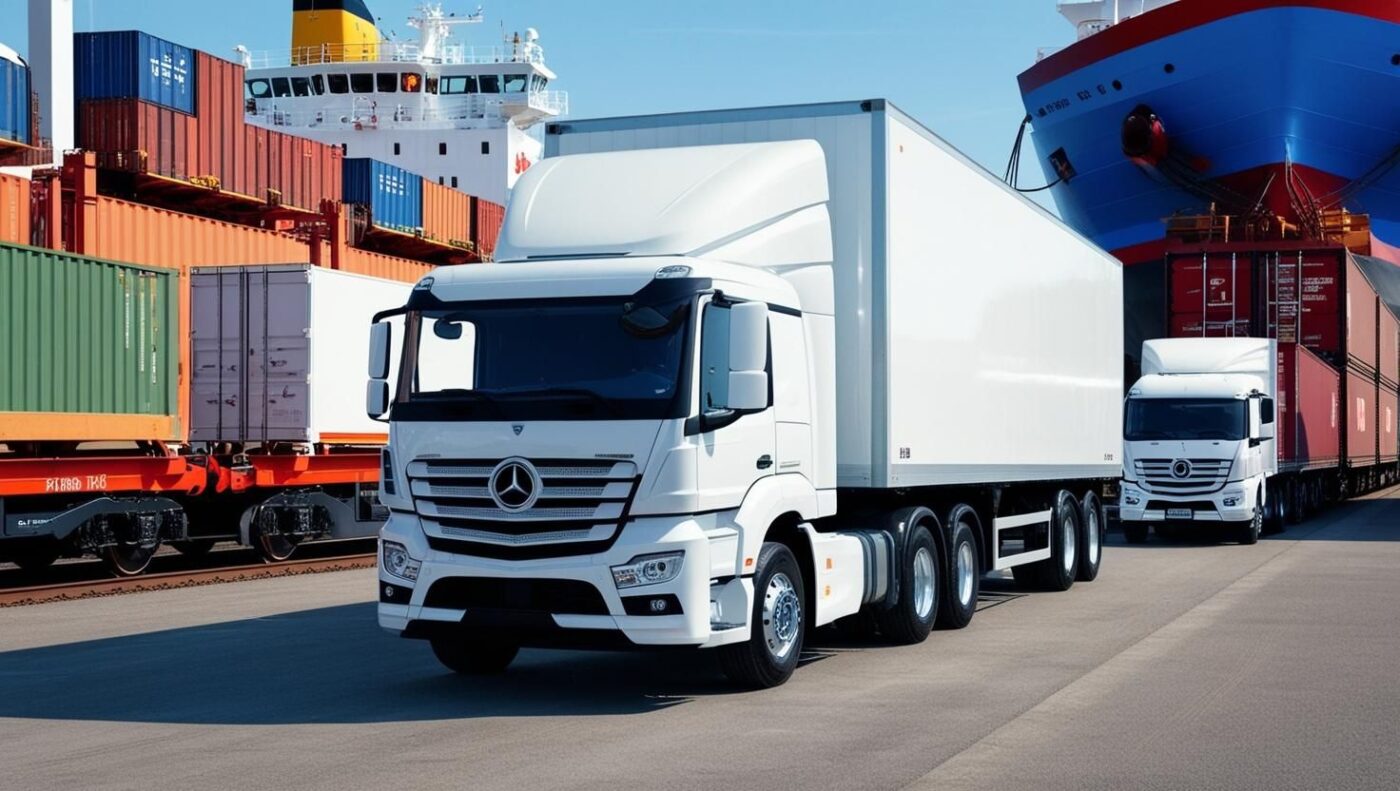
The transport sector is constantly evolving, and 2025 marks a year of significant regulatory updates that will have a major impact on companies and freight operators. From new environmental regulations to changes in the digital management of shipments, here’s a detailed look at what’s changing and how to prepare.
New Emission Rules and Eco-Friendly Vehicles
One of the key aspects of the new regulations is the reduction of CO₂ emissions for heavy-duty vehicles. The European Union has set stricter targets, encouraging the use of electric and hydrogen-powered trucks. By 2030, CO₂ emissions from new vehicles must be reduced by 45%, with a gradual phase-out of diesel trucks. Transport companies will need to start investing in more sustainable fleets.
Digitalization of Transport Documents
Another major change is the mandatory digitalization of transport documents through the introduction of the e-CMR (electronic consignment note). This tool reduces bureaucratic delays, improves shipment tracking, and enhances data security. For companies that have not yet adapted, now is the time to implement digital document management systems.
New Rules on Driving and Rest Times
Starting in 2025, controls on drivers’ working and rest hours will be tightened, with stricter penalties for non-compliance. The goal is to improve road safety and ensure better working conditions for transport operators.
📌 How to Prepare?
Transport companies must begin planning investments in low-emission vehicles, adopt digital management systems, and update their internal policies according to the new directives. Keeping up with the regulations is essential to ensure operational continuity and avoid penalties.
