

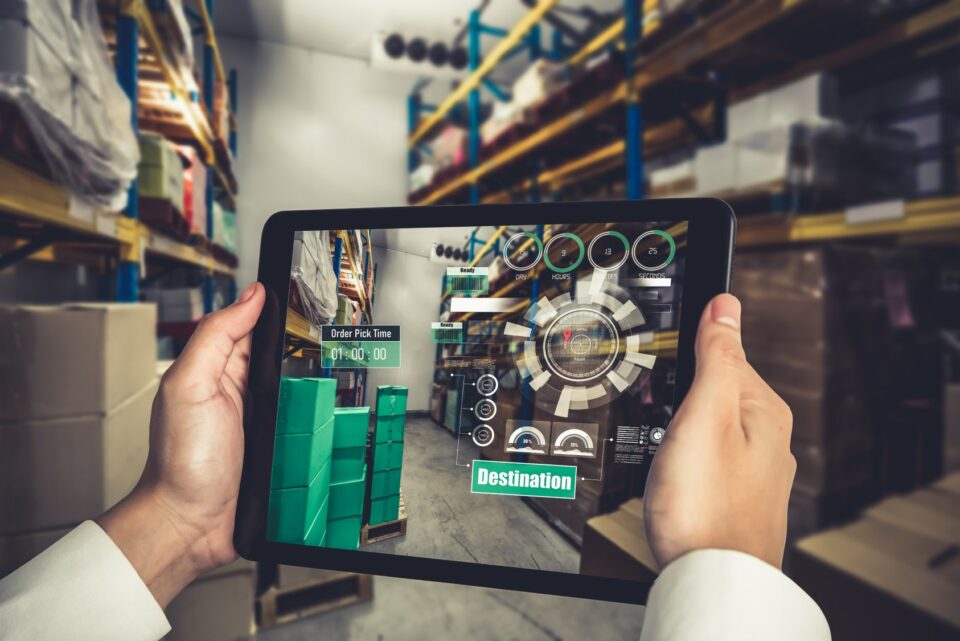
In the world of logistics, traceability is a key factor in ensuring efficiency, safety, and reliability in transport and goods management. With advancing technology and increasingly complex supply chains, companies must adopt advanced systems to monitor every stage of a shipment, reducing risks and optimizing operations.
What Is Traceability in Logistics?
Traceability refers to the ability to follow a product’s journey throughout the entire supply chain, from production to final delivery. This is made possible through digital systems using barcodes, RFID (Radio Frequency Identification), and real-time tracking platforms.
These tools provide companies with detailed information on the location of goods, delivery status, and transport conditions—enhancing operational control and communication with customers.
Why Is Traceability Essential?
Implementing an effective traceability system brings numerous benefits for both logistics companies and their clients:
1️⃣Greater Transparency
Real-time monitoring of shipments helps prevent delays and provides accurate updates to customers, improving service quality and brand trust.
2️⃣Process Optimization
With precise data on goods movement, companies can identify inefficiencies, improve transport routes, and reduce delivery times.
3️⃣Fewer Errors and Losses
Digital tracking of every step minimizes order handling mistakes and reduces the risk of lost or stolen goods.
4️⃣Regulatory Compliance
Many industries require strict standards for safety and traceability—especially for the transport of food, pharmaceuticals, and hazardous materials. An advanced monitoring system ensures compliance and high-quality service.
5️⃣Sustainability and Waste Reduction
Traceability enables more efficient resource management, reduces waste, and helps optimize transport loads—contributing to a greener logistics sector.
Technologies Behind Traceability
Modern logistics relies on several innovative technologies to ensure effective tracking:
-
RFID and Barcodes: Essential tools for quickly identifying and tracking goods in warehouses and transit points.
-
GPS and Telematics: Enable real-time tracking of vehicles and route optimization.
-
Blockchain: Provides secure and tamper-proof records of transport data, increasing transparency and minimizing fraud risks.
-
Artificial Intelligence and Big Data: Analyze logistics flows and predict potential issues, improving supply chain efficiency.
The Future of Traceability in Logistics
In the coming years, traceability will become even more advanced thanks to the rise of Internet of Things (IoT) technologies and digitalized logistics processes. Smart sensors and predictive analytics will allow for even more precise and proactive shipment management, offering a competitive edge to companies that invest in innovation.
In an increasingly competitive industry, the ability to accurately track and manage shipments is a clear differentiator for logistics and transport companies. Investing in traceability technologies means ensuring efficiency, safety, and customer satisfaction—contributing to a more sustainable and high-performing supply chain.
